Read time: 6 mins
Eight realistic ways to keep moving with your children, maintain your fitness and avoid the aches that often creep in during a busy summer.
The six-week summer holidays have a habit of turning even the best fitness routine upside down.
The early morning run disappears. Gym sessions are replaced by trips to the park. By 9am, you may already have made breakfast twice, negotiated screen time and answered several requests for snacks.
Sound familiar?
The good news is that staying active over the summer does not require a perfect plan. Walking, swimming, cycling and playing with your children all count, even when they look nothing like your normal workout.
And sometimes, they are much more fun.

Why keeping active matters
Regular movement is important for children as well as adults. The NHS recommends that children and young people aged 5–18 aim for an average of at least 60 minutes of moderate to vigorous physical activity each day across the week, helping to support healthy growth, fitness and wellbeing.
For parents, keeping some movement going can help maintain fitness, manage stress and make the return to your usual routine in September feel far less daunting.
That movement does not have to happen in one neat session.
A walk in the morning. Twenty minutes at the park. A game in the garden later.
It all adds up.
Holiday movement still counts
Parents often tell me they have done “no exercise” during the school holidays.
Then they describe carrying a tired child back from the beach, pushing a buggy over uneven ground, walking around a zoo for hours and joining an impromptu football match in the garden.
That is movement. Your body is still working.
Through my clinic and touchline work, I often see problems appear when someone’s activity changes suddenly. It is not always one dramatic injury. Several busy days, more walking than usual or repeatedly lifting children can gradually leave the back, shoulders, knees or calves feeling sore.
And as an auntie to energetic young nephews, I know that activity with children rarely happens in a tidy, planned way.
It happens in bursts.
A race across the park. A sudden game of football. Carrying someone home after they decide their legs no longer work.
It all counts too.

Eight ways to stay active together
1. Join in at the park
A trip to the park does not have to mean sitting on a bench for the entire visit.
Walk a few laps while the children play. Kick a ball around. Join a game of tag or race them to the climbing frame.
You do not need to turn it into a formal workout. Ten or fifteen active minutes still makes a difference.
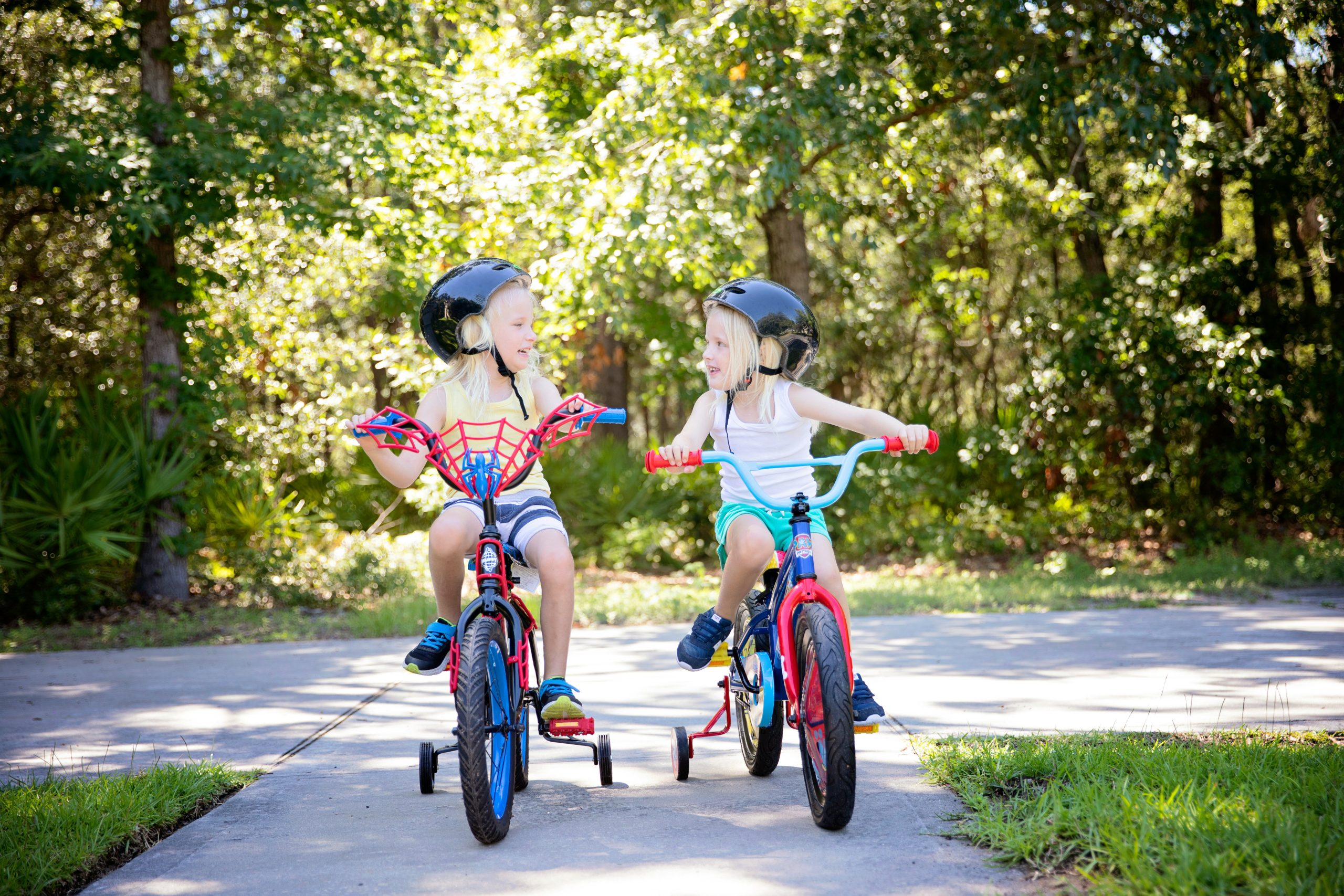
2. Plan a family bike ride
Cycling is great exercise for adults and children, and it usually feels more like an adventure than a workout.
Choose a route that suits the youngest or least confident rider. Pack some snacks. Give the journey a destination, perhaps a playground, picnic spot or café.
That small bit of purpose often heads off the “are we nearly there?” questions.
3. Head for the water
Swimming is a brilliant full-body activity and places less impact through the joints than many land-based exercises.
It can be a comfortable way to keep moving if you are managing mild stiffness or gradually returning to activity, provided swimming itself feels comfortable.
A local pool, outdoor lido or supervised beach all work.
The children think they are playing. You are quietly getting a workout.
4. Walk before the day gets busy
A short morning walk is often easier to fit in than a planned activity later in the day.
It is usually cooler, the parks are quieter and everyone starts the day having already spent some time outdoors.
Whether you are exploring the Lee Valley, walking around Amwell Nature Reserve or simply heading to your nearest park in Hertfordshire, even 20 or 30 minutes can make a difference when repeated regularly.
5. Bring movement indoors
This is Britain. Some days the weather simply will not cooperate.
Try a family dance session, a children’s yoga video or a few simple movement games in the living room.
It will not always be graceful. It may not be quiet either.
But it gets everyone moving.
6. Choose active days out
Nature reserves, adventure playgrounds, climbing centres, beach walks, paddleboarding and high-rope courses all build movement naturally into the day.
You may end up being active for far longer than you would during a gym session, without anyone feeling as though they are exercising.
That is often the best kind.
7. Join in with the garden games
It is easy for adults to become spectators while children play cricket, badminton, rounders or water games.
Join in occasionally.
Your children probably will not remember whether you maintained your normal gym schedule over the summer. They are much more likely to remember that you played with them.
Your body benefits from those moments too.
8. Walk the shorter journeys
Walk to the park, local shops or a friend’s house when it is practical.
You do not need to replace every car journey. That would make family life harder, not healthier.
Just look for the easy opportunities. They soon add up over six weeks.
Why summer can leave you unexpectedly sore
A common comment I hear in clinic is:
“I didn’t do anything to injure it.”
Usually, the person has simply had a much busier week than normal.
There may have been a long car journey, several days of extra walking, repeated lifting, a different mattress and a spirited return to garden football after months without playing.
No single activity seems responsible. The overall demand has simply increased faster than the body was ready for.
Common summer complaints include:
- Lower-back discomfort after travelling or carrying children
- Shoulder tension from lifting bags, bikes and pushchairs
- Knee or Achilles pain after a sudden increase in walking
- Tight calves after wearing less supportive footwear
- General stiffness after sleeping in an unfamiliar bed
This does not mean you should avoid being active.
Just pay attention when something starts to feel wrong.
Do not ignore a persistent niggle
A mild ache after an unusually active day may settle with rest and gentle movement.
Pain that keeps returning, affects the way you move, gradually worsens or stops you joining normal family activities deserves more attention.
Small problems are usually easier to address early.
Waiting until September, when work, school and your normal exercise routine all restart at once, can make things rather more difficult.
Your routine can look different
Staying active during the school holidays does not require a strict training plan or a daily gym session.
Family walks, swimming, bike rides, garden games and active days out can all help maintain your fitness while giving you time together.
Your fitness does not need to disappear for six weeks.
It may simply need to look a little different.
Is pain holding you back this summer?
If an old injury is affecting your plans, or a new ache is making family activities uncomfortable, SLS Therapy can help you understand what is causing it.
Depending on your needs, treatment may include sports massage and soft tissue therapy, acupuncture or a personalised injury management and rehabilitation plan.
The aim is to help you move more comfortably, recover well and get back to the activities that matter to you.